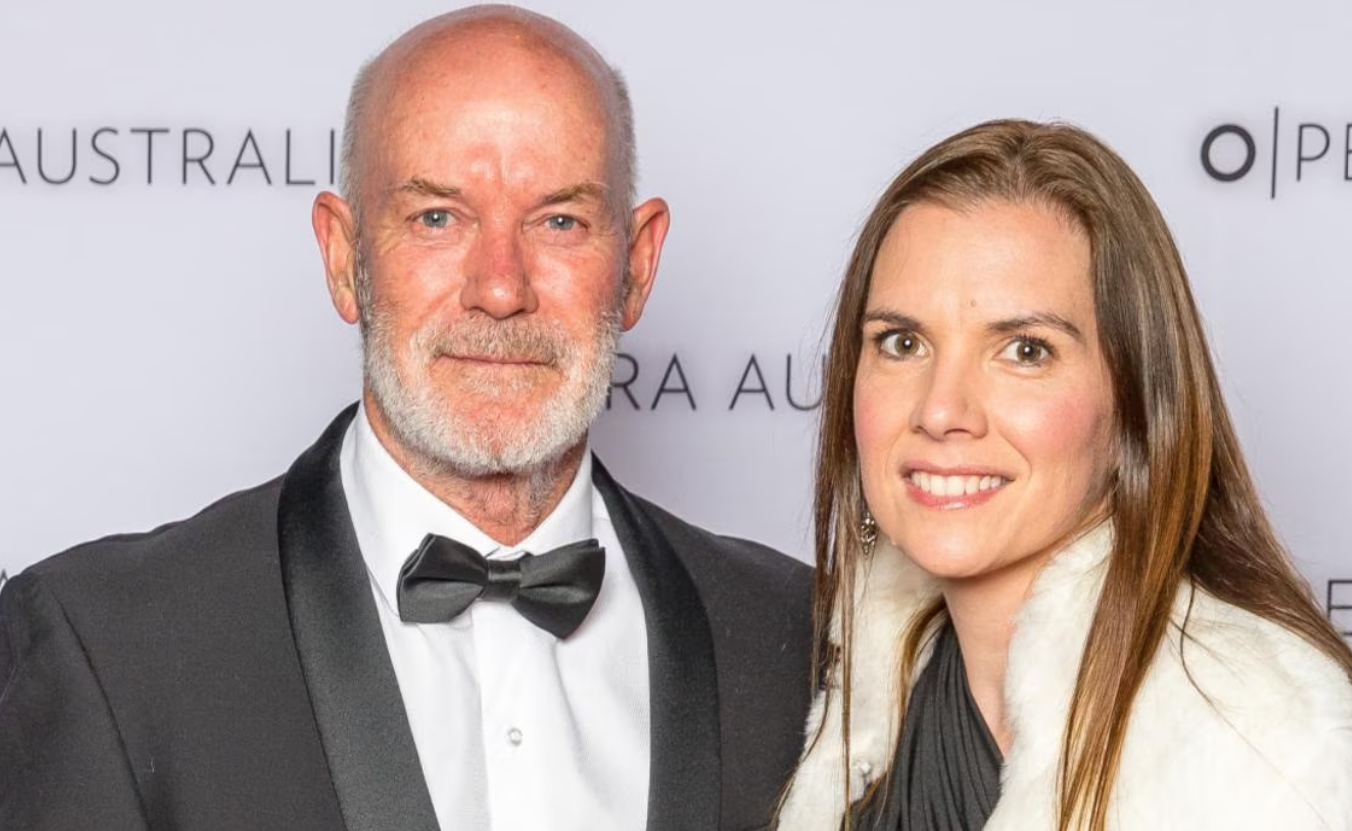
Gary Sweet represents a model of sustained success in an industry often defined by volatility. Over several decades, he has built a career not on fleeting visibility, but on consistency, adaptability, and a deep understanding of character-driven storytelling.
Early Career and Establishing a Screen Identity
Emerging in the late 1970s and 1980s, Sweet entered an Australian television landscape that was rapidly evolving. Unlike many contemporaries, he quickly established a recognizable screen identity—grounded, authoritative, and emotionally accessible.
His early roles often positioned him as a central figure within narratives, whether as a protagonist or a morally complex authority figure. This early typecasting could have limited his range; instead, Sweet used it as a foundation, gradually expanding into more varied roles.
Craft and Professional Discipline
One of the defining characteristics of Gary Sweet’s career is professionalism. Directors and producers consistently note his reliability, preparation, and ability to deliver under pressure.
His acting style is rooted in clarity:
- Clear articulation of character objectives
- Controlled emotional expression
- Strong physical presence
Unlike more experimental performers, Sweet prioritizes narrative coherence. His goal is not to dominate a scene, but to serve it.
Versatility Across Genres
While often associated with drama, Sweet has demonstrated notable versatility. His work spans:
- Crime and investigative dramas
- Family-oriented productions
- Comedy and light entertainment
- Stage performances
This range has allowed him to remain relevant across decades of changing audience preferences and industry trends.
Industry Contribution and Influence
Beyond individual performances, Sweet’s career has contributed to the development of Australian television as a whole. He has been part of productions that shaped national identity and storytelling standards.
His longevity also positions him as a bridge between generations of actors—someone who embodies traditional discipline while adapting to modern production environments.
The Nature of Longevity
Sustaining a career over multiple decades requires more than talent. It demands adaptability, resilience, and an understanding of industry dynamics.
Sweet’s ability to evolve—without abandoning his core strengths—explains his continued presence. He has avoided the pitfalls of stagnation by embracing new formats and roles, while maintaining a consistent professional identity.
Legacy
Gary Sweet’s legacy is cumulative rather than singular. He may not be defined by one iconic role, but by a body of work that reflects stability, quality, and dedication.
In an industry often focused on rapid success, his career offers an alternative model—one built on endurance and craft.