Introduction
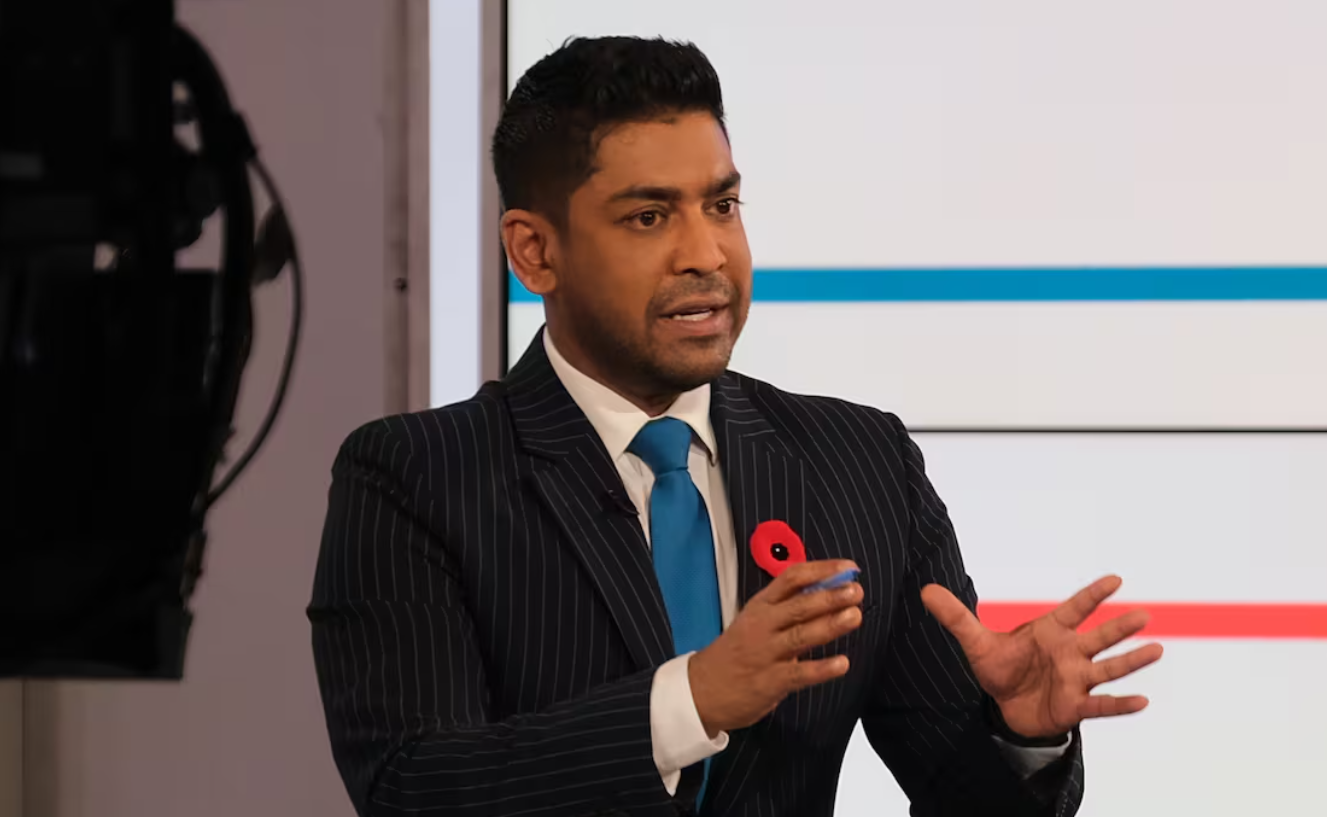
In the rapidly evolving media landscape of the 21st century, journalists are no longer confined to the traditional boundaries of newsrooms and broadcast studios. The rise of digital platforms, real-time audience engagement, and increasing skepticism toward institutions has transformed journalism into a highly visible, often contested profession. Within this context, Travis Dhanraj has emerged as a notable figure whose career reflects both the opportunities and challenges of modern reporting.
Early Career and Professional Foundations
Travis Dhanraj built his career within the framework of traditional journalism, where accuracy, verification, and structured storytelling are fundamental. His early roles focused on reporting, field coverage, and editorial work, allowing him to develop a strong foundation in news production.
Unlike many digital-first personalities, Dhanraj’s professional identity is rooted in institutional credibility. This background plays a crucial role in shaping his communication style, which tends to prioritize clarity, factual consistency, and narrative coherence.
Transition into Public-Facing Journalism
As media consumption habits shifted toward online platforms, Dhanraj adapted by increasing his visibility beyond traditional broadcasts. This transition reflects a broader industry trend where journalists are expected not only to report but also to engage directly with audiences.
Public-facing journalism requires a different skill set. It involves managing audience expectations, responding to criticism, and maintaining credibility in an environment where information spreads rapidly and often without context. Dhanraj’s presence in this space illustrates the growing importance of adaptability in media careers.
Communication Style and Content Strategy
One of Dhanraj’s defining characteristics is his structured and measured communication style. Rather than relying on sensationalism, he often emphasizes explanation and context. This approach aligns with the principles of professional journalism but can sometimes contrast with the fast-paced, emotionally driven nature of digital media.
His content frequently addresses political developments, institutional accountability, and public policy. By focusing on these areas, he positions himself within a category of journalists who aim to inform rather than entertain, even when operating in highly competitive media environments.
Public Reception and Criticism
No contemporary journalist operates without scrutiny, and Dhanraj is no exception. His work has generated both support and criticism, often depending on audience expectations and political perspectives.
Supporters tend to value his clarity and professionalism, viewing him as a reliable source of information. Critics, however, may interpret his framing or tone differently, highlighting the subjective nature of media consumption.
This dual reception underscores a key challenge in modern journalism: the difficulty of maintaining perceived objectivity in a fragmented and polarized information ecosystem.
The Role of Trust in Journalism
Trust has become one of the most critical—and fragile—elements in journalism. In an age of misinformation and algorithm-driven content, audiences are increasingly selective about whom they trust.
Dhanraj’s career can be viewed through this lens. His efforts to maintain transparency and engage with public discourse suggest an awareness of the importance of trust-building. However, trust is not static; it must be continuously reinforced through consistency, accountability, and responsiveness.
Broader Industry Context
Dhanraj’s professional trajectory reflects larger changes within the media industry. Journalists today must balance multiple roles: reporter, analyst, public communicator, and sometimes even brand ambassador.
The integration of social media into journalism has blurred the lines between personal and professional identities. This shift raises important questions about neutrality, influence, and the long-term sustainability of traditional journalistic standards.
Conclusion
Travis Dhanraj represents a new generation of journalists navigating a complex and rapidly changing media environment. His career highlights the importance of adaptability, credibility, and strategic communication in maintaining relevance. As journalism continues to evolve, figures like Dhanraj will remain central to discussions about the future of information and public trust.